

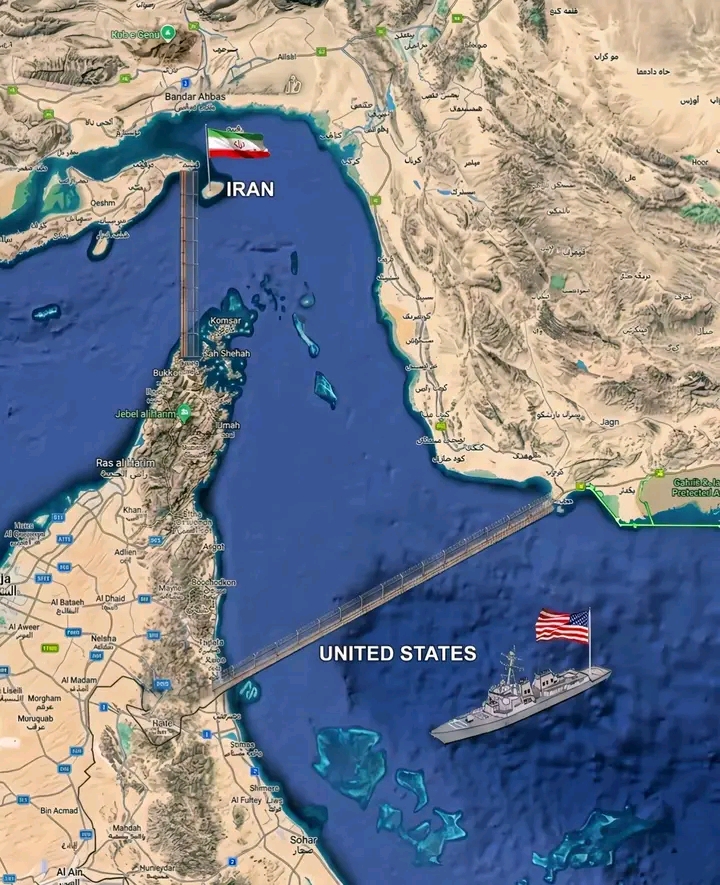
Saudi Arabia Quietly Presses Washington to Abandon Its Strait of Hormuz Blockade, Fearing Iranian Retaliation Against Red Sea Routes
Saudi Arabia is privately urging the United States to drop its newly imposed naval blockade of the Strait of Hormuz, according to the Wall Street Journal.
Riyadh fears the escalation could prompt Iran to retaliate by targeting the Bab al-Mandeb strait, the critical Red Sea chokepoint that Saudi oil exports now depend on after being rerouted away from Hormuz.
The kingdom has made no public statement since the US blockade took effect on April 13, a silence analysts describe as deliberate. Publicly endorsing the blockade risks drawing direct Iranian strikes on Saudi infrastructure, including the Abqaiq and Ras Tanura oil facilities. Publicly opposing it risks rupturing the US security umbrella that protects those same facilities.
The concern is not hypothetical. On April 8, an IRGC drone struck a pumping station on Saudi Arabia’s East-West Pipeline, the very infrastructure Riyadh is now relying on to bypass Hormuz via the Red Sea port of Yanbu. Iran’s military has also warned that if its ports are threatened, no port in the Persian Gulf or Arabian Sea will be safe.
The US blockade, which targets all vessels entering or departing Iranian ports, went into effect after marathon peace talks in Islamabad collapsed without a deal.
Gulf states, including Saudi Arabia, are now pushing for a return to diplomacy. Britain, France, Germany, and Estonia have all declined to participate in the blockade. France and the UK are co-hosting a conference in the coming days focused on restoring freedom of navigation through the strait.
Oil prices jumped nearly 8 percent on the day the blockade took effect, with both Brent and WTI contracts crossing 100 dollars a barrel.
Sources: Wall Street Journal, CNN, Al Jazeera, CENTCOM, House of Saud Analysis, Time Magazine, Foreign Policy
Military Cognizance | Verified. Sourced. Accurate.