

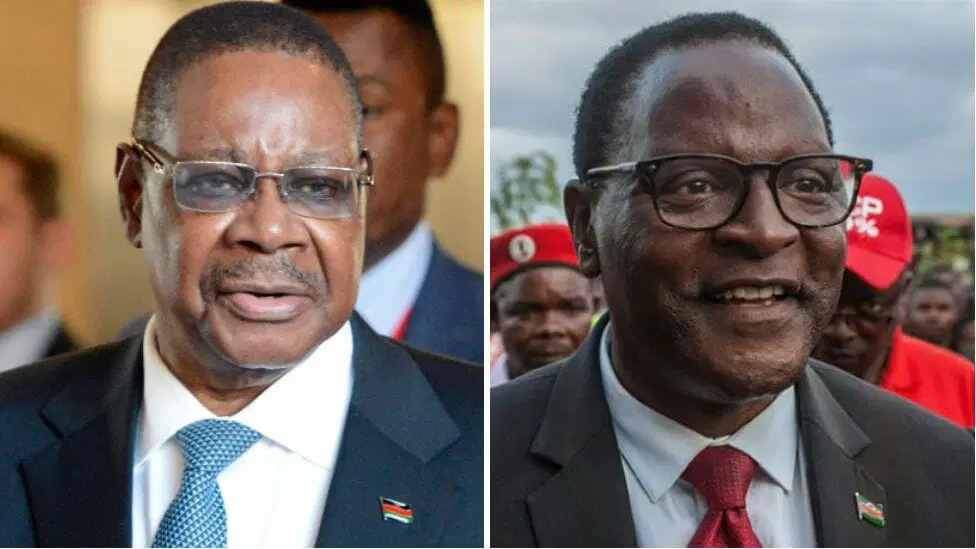
The Investigator Magazine has officially confirmed that Peter Mutharika has won the presidency in Malawi’s September 16 elections.
According to tallies, Mutharika secured nearly 2.8 million votes nationwide.
This accounts for 58 percent of the total ballots cast, giving him a resounding mandate.
Out of the 4.8 million Malawians who went to the polls, the majority placed their confidence in his leadership.
The results mark one of the most remarkable comebacks in Malawi’s democratic history.
Mutharika’s support was drawn from multiple regions, showcasing broad national approval.
For many voters, this outcome symbolizes more than a change in leadership — it is a vote of confidence in Malawi’s democratic process and a renewed sense of hope.
Reactions have ranged from jubilation among his supporters to cautious acceptance from political opponents.
What remains certain is that Mutharika carries immense expectations from Malawians who seek solutions to their daily struggles.
The announcement by The Investigator Magazine reinforces the strength of Malawi’s democracy and the determination of its citizens to shape their future.
Mutharika apambana ndi 58%
Attention now turns to what Mutharika’s second presidency could mean for Malawi’s governance, economy, and political stability.
Looking ahead, his leadership offers an opportunity to chart a visionary roadmap for national recovery and growth.
Economically, Mutharika has the chance to stabilize the kwacha, boost agricultural exports, and unlock Malawi’s untapped natural resources.
He could spearhead investments in irrigation and agro-processing, transforming Malawi into a regional food hub while securing food security at home.
Infrastructure development — roads, energy, and digital connectivity — could link rural areas to markets and jobs, laying the foundation for long-term growth.
By empowering small and medium enterprises, Mutharika could unleash entrepreneurship among Malawi’s youth, turning job seekers into job creators.
Governance reforms, particularly an uncompromising fight against corruption, could restore public trust and attract both domestic and international investors.
Education and healthcare reforms could prepare Malawi’s citizens with the skills and wellbeing needed for a competitive future.
On the regional stage, Mutharika could position Malawi as a diplomatic bridge-builder, leveraging Southern African trade partnerships for mutual prosperity.
If unity, inclusiveness, and tolerance guide his leadership, Malawi could experience healing from divisions and embrace a renewed sense of shared national destiny.
Within the next five years, Malawi has the potential to stand not just as a functioning democracy but as a nation on the rise, charting its own path to prosperity and stability.
For Mutharika, this victory — announced by The Investigator Magazine — is more than a political comeback.
It is a second chance to leave behind a legacy defined by transformation, growth, and national pride.