

The Viral Audio That Exposed Our National Hypocrisy
By Dr Mwelwa
Tribalism has once again come to the fore, not through rumours but through an audio that has gripped the nation. Its content is not just an embarrassment for one institution but a mirror showing us that tribal exclusion is alive and deeply entrenched in public life.
For years, Zambians have been told that tribalism is outlawed and that we must be “One Zambia, One Nation.” Yet, when evidence of tribal bias surfaces, there is hesitation to act decisively. This silence has convinced many citizens that tribalism is tolerated when practiced by those with power.
This is the contradiction weakening our democracy: ordinary citizens are warned or even arrested for speaking about tribalism, yet systemic practices that favour one group over another escape scrutiny. Which is more damaging to national unity—words that fade or decisions that affect generations?
When citizens are quietly excluded from jobs or promotions because of their names or origin, resentment grows. Instead of confronting the injustice, public discourse often blames those who raise the alarm, accusing them of being divisive. This reaction fuels bitterness instead of healing it.
Moments like this offer government an opportunity to show that tribalism has no place in Zambia. The most powerful signal would be to insist that all appointments and promotions be based on merit, not region or political connection. Swift and visible action would restore confidence.
Leadership demands decisiveness. History remembers leaders like Kenneth Kaunda who acted swiftly when national unity was threatened. Delays and silence embolden those who think exclusion is acceptable and normalise a culture of impunity in public service.
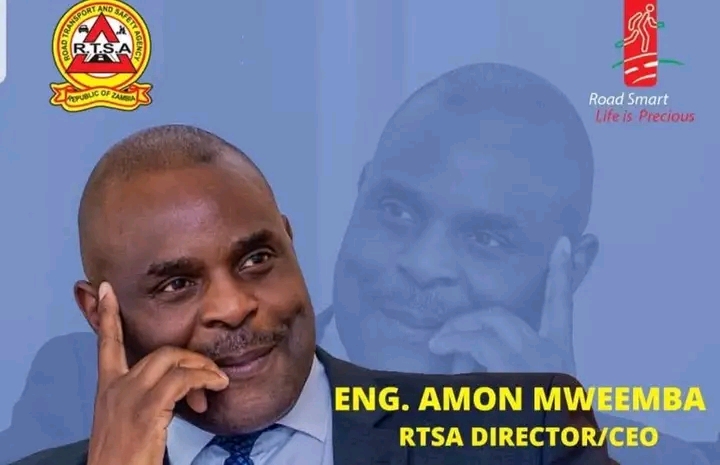
This is not about one institution; it is about the future of Zambia. If one agency can operate with perceived bias, citizens rightly ask whether other agencies are quietly doing the same. Trust is eroded when there is no clear accountability.
If people in rural areas can be prosecuted for statements considered tribal, then those who make appointments must also be held to the same standard of fairness. Justice must be impartial, blind to tribe and status. Anything less is selective enforcement.
Tribalism today is subtle and sophisticated. It hides behind claims of competence and loyalty, but its effect is to lock some Zambians out of opportunity and privilege. This undermines equality and weakens the foundations of the state.
If we are serious about unity, actions must match rhetoric. Meritocracy should be the standard. Appointments must reflect fairness, not favour. Opportunity must be open to all Zambians, regardless of where their grandparents were buried.
A government that fails to address systemic tribalism risks losing public trust. And when trust dies, slogans and speeches cannot bring it back. People see, people know, and they will remember when they vote.
The question we must ask is simple: are we prepared to confront tribalism wherever it hides, or will we continue to punish those who talk about it while ignoring those who quietly practice it?
Zambia cannot afford another generation divided by tribe and region. The time to act is now. Leaders must choose unity in action, not just unity in words, if this country is to heal and move forward.
If tribalism is not confronted with courage and fairness, the next scandal will not just embarrass us—it could deepen divisions beyond repair.