
🇿🇲 ZAMBIA’S DIPLOMATIC WEEK | Washington Signals Money, Beijing Signals Strateg
Zambia has entered one of its most geopolitically significant weeks in recent years. Washington has pledged deeper economic cooperation and a five-year health package valued at 1.5 billion dollars. Beijing is dispatching its Premier for a two-day state visit centred on trade, infrastructure and regional connectivity.
The sequence is not accidental. Israel’s President was in Lusaka last week. The United States is expanding its economic footprint. China is reinforcing long-term strategic ties. Zambia now sits at the centre of a quiet contest for influence in Southern Africa.
President Hakainde Hichilema just held a call with United States Secretary of State Marco Rubio. The American readout was direct. Washington wants to drive private sector investment into Zambia and partner on reforms that deliver “meaningful action.”
This aligns with Washington’s view of Zambia as a stable anchor in a region marked by coups, insurgencies and political volatility.
The 1.5 billion dollar American health commitment is the clearest long-term signal of US engagement. The package runs from April 2026 to 2031 and forms the backbone of a new multi-year agreement to be signed in December.
Health Minister Elijah Muchima said the funding targets human resources, laboratories, epidemic preparedness and the control of HIV, TB and malaria. Zambia has reached the 98-98-97 HIV milestone and moved life expectancy from 33 years in 2004 to 64 years today. The American support is meant to consolidate these gains and guide Zambia toward full programme ownership after 2030.
The details are under negotiation. Zambia wants revisions to penalty clauses linked to domestic financing, stronger data protection measures under the Data Protection Act and the National Health Act, and tighter controls on long-term specimen sharing. A 323 million dollar technical assistance component is under review.
Muchima underlined that Zambia welcomes the money but must protect sensitive data and maintain oversight of programme delivery. United States Ambassador Michael Gonzales said the package is designed to build permanent systems rather than deepen dependency.
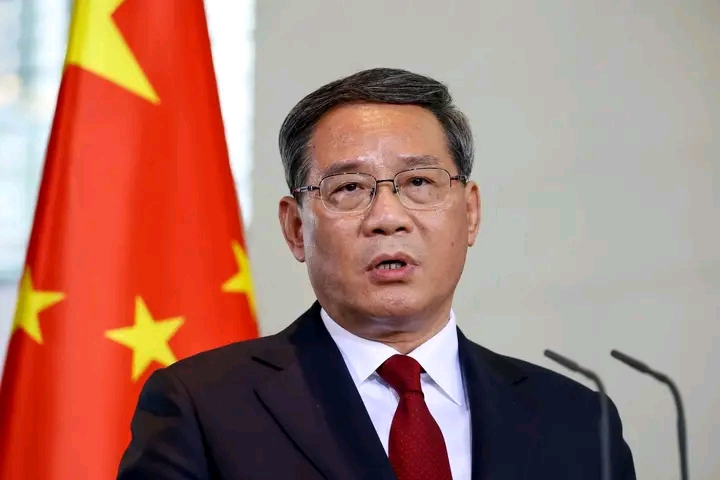
While Washington focuses on health and investment confidence, Beijing is returning with a strategic agenda. China’s Premier Li Qiang arrives on 19 November for a two-day visit. Foreign Affairs Minister Mulambo Haimbe said discussions will cover trade, investment, logistics, mining, agriculture, energy and technology.
Central to the talks is the revival of TAZARA, the historic railway China built in the 1970s and now wants to modernise as part of a broader industrial corridor.
China remains Zambia’s most consistent infrastructural partner. Its presence spans mining, energy, construction, health and manufacturing. The Premier’s visit signals Beijing’s intention to maintain strategic depth as Zambia draws heightened attention from Western investors and multilateral banks.
Beijing wants to retain its position in infrastructure, critical minerals and regional transport.
Zambia has become a diplomatic corridor where global powers are competing through soft power, strategic funding and long-term positioning. The United States is sharpening its development and investment role.
China is reinforcing its industrial, mineral and logistical leadership. Israel’s recent visit added agriculture, security and technology to the equation. Each relationship carries incentives, risks and political weight.
For Lusaka, the task is balance. Zambia needs Chinese infrastructure, American capital, and Israeli technology. It must also protect sovereignty, ensure transparent governance and maintain consistent policy in the face of competing interests.
The coming weeks will determine whether Zambia can translate diplomatic visibility into investment, structural reform and economic durability.
© The People’s Brief | Ollus R. Ndomu