

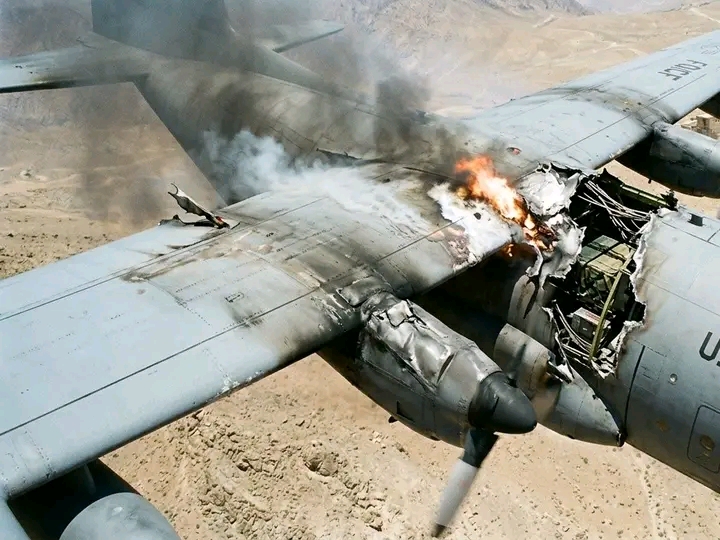
U.S. estimates losses at $251.7 million within 48 hours to save 2 pilots
The United States has reportedly sustained significant losses during a high-risk combat search and rescue (CSAR) operation, in order to recover two crew members from a downed F-15E Strike Eagle.
Both the pilot and weapons systems officer (WSO) were successfully rescued alive, with no reported fatalities among rescue personnel.
According to U.S. assessments, total losses reached approximately $251.7 million within less than 48 hours, reflecting the scale and urgency of the operation.
At least two MC-130J Commando II aircraft were intentionally destroyed to prevent sensitive technology from falling into enemy hands. Meanwhile, multiple HH-60 Pave Hawk and HC-130J Combat King II sustained heavy damage but were able to return to base.
The operation underscores the long-standing U.S. military principle of “leave no man behind,” demonstrating a willingness to accept substantial material losses in exchange for the recovery of personnel.
The quetion is, how sustainable are such rescue missions? As the war drags on and boots on the ground become inevitable, some men will be left behind.
The rescue op was spectacular in all respects, but it cannot be the norm.