

🇿🇲 EXPLAINER | Iran Tensions: What a Gulf Oil Shock Means for Zambia
Military escalation involving the United States, Israel and Iran has shifted global attention to one narrow waterway between Oman and Iran. The Strait of Hormuz carries about 20% of the world’s oil supply and a similar share of seaborne gas.
According to The Guardian, Iran’s Revolutionary Guards warned tankers that no ship would be allowed to pass through the strait after US and Israeli strikes. Tehran has not formally declared a blockade, but vessels are reportedly avoiding the route. Reuters reported that at least 150 tankers carrying crude oil, liquefied natural gas and refined products had dropped anchor in open waters across the Gulf.
If the halt continues, up to 15 million barrels per day of crude could be prevented from reaching global markets.
Oil traders are already reacting. Before the strikes, analysts expected limited military action to add about 10 dollars per barrel to global prices. Markets now anticipate a sharp jump in Brent crude. Forecasts cited by The Guardian suggest prices could move toward 90 dollars per barrel quickly and rise above 100 dollars in a prolonged disruption scenario.
Energy analyst Jorge León told the paper that “whether the strait is closed by force or rendered inaccessible by risk avoidance, the impact on flows is largely the same.” In other words, fear alone can move prices even before a formal shutdown.
Why does this matter for Zambia?
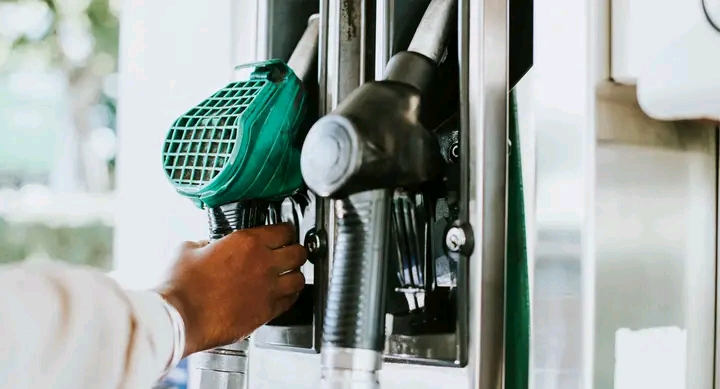
Zambia imports petroleum products. It does not produce crude oil. When global oil prices rise, the landing cost of fuel increases. This feeds directly into pump prices unless government absorbs the difference through subsidies.
If crude approaches 90 to 100 dollars per barrel, the Energy Regulation Board would face upward pressure on domestic fuel pricing. A higher fuel import bill would require more foreign exchange. This can weaken the kwacha if inflows from copper and other exports do not offset the shock.
Fuel is not an isolated cost. It influences transport, food distribution, fertiliser movement, mining logistics and electricity generation where diesel backup is used. A sustained global oil spike would therefore raise inflation risks at a sensitive political moment.
Zambia goes to the polls in August.
In election cycles, fuel prices often become political ammunition. Rising pump prices can be framed as policy failure even when the trigger is external. Global supply shocks are complex. Campaign messages are not.
The Guardian notes that Iran holds about 170 billion barrels of proven oil reserves, roughly 9% of global crude. Although its exports account for about 3 to 4% of global supply, its strategic leverage lies in geography. León described Iran’s geopolitical weight as rooted in “its strategic location, its influence over regional security dynamics and its capacity to disrupt critical energy infrastructure and transit routes.”
This capacity is what markets are pricing in.
Even without a full closure of the strait, partial disruptions such as ship detentions, signal interference or naval standoffs can delay cargo and increase insurance and freight costs. Those costs are passed down the chain. Import dependent economies feel them quickly.
For Zambia, the central question is not who is right or wrong in the Gulf conflict. It is exposure.
If oil rises sharply and remains elevated for weeks, government may face three difficult choices. Allow full price pass through and risk political backlash, especially if communication remains loose. Cushion prices and strain public finances. Or stagger adjustments and manage expectations carefully.
Each option carries economic and political consequences.
The Strait of Hormuz is thousands of kilometres away. But its stability can influence inflation, currency pressure and campaign narratives in Lusaka.
In the coming weeks, citizens should watch three indicators. Global Brent crude prices. Movements in the kwacha. Announcements from the Energy Regulation Board.
The Gulf conflict is a security story for the Middle East. For Zambia, it is an economic story.
And in an election year, economics quickly becomes politics.
© The People’s Brief | Ollus R. Ndomu