

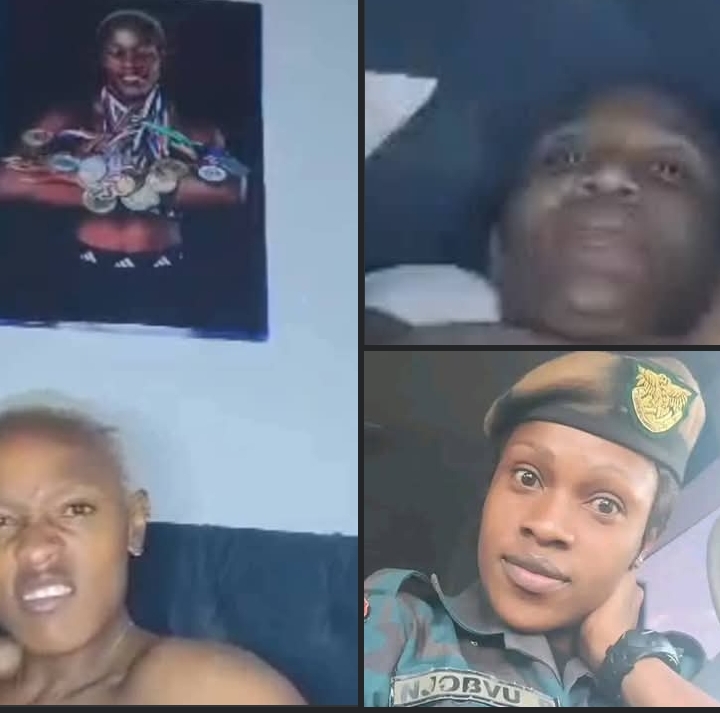
LEAKED VIDEO ALLEGEDLY INVOLVING ZNS SERGEANT AND ATHLETE RHODAH NJOBVU SPARKS PUBLIC DEBATE ON PRIVACY AND PROFESSIONALISM
A video alleged to involve renowned Zambian athlete and Zambia National Service (ZNS) officer Rhodah Njobvu has surfaced online, triggering a storm of reactions across social media and raising pressing questions about privacy, professionalism, and digital ethics.
The content, which appears to show an intimate and highly personal moment between two individuals identified as Njobvu and a woman named Lumeka Katundu, was leaked without context or consent. The clip has gone viral just days after another high-profile incident involving leaked adult material and the arrests of media figures Mwaka Halwiindi, David Kazadi, and Ruby Mazandu.
While many have expressed shock and disappointment, others have called for a more nuanced approach. “It’s one thing to hold public figures to high standards, but it’s another to criminalize their private lives — especially when the content appears to have been leaked without consent,” said a Lusaka-based digital rights advocate.
Njobvu, a decorated sprinter and national figure, has yet to issue a public statement. The ZNS command and other relevant authorities have also remained tight-lipped, though sources indicate that internal reviews may be underway.
Legal experts warn that the circulation of such videos could violate Zambia’s Cyber Security and Cyber Crimes Act, particularly sections concerning revenge porn, harassment, and the unlawful distribution of intimate material.
“There’s a fine line between public interest and public intrusion,” said human rights lawyer Mwandwe Chilala. “We must remember that behind every viral video is a real person, with dignity, rights, and a reputation at stake.”
Meanwhile, social media has become a digital courtroom, with many users quick to judge, mock, or defend the athlete. Others have taken a more reflective stance, questioning why women in particular face harsher public condemnation for private behavior.
The unfolding situation has once again placed the spotlight on the responsibility of digital users, the media, and institutions in handling sensitive content especially when it involves individuals in public service or national representation.
KUMWESU
Those who circulated or sharing are wrong but why even produce such things in the first place? Is it for future reference or what? But certain things are just hard to understand.These are the signs of Jesus coming back.And it must be soon.Women are highly respected in this country and this is an old norm.And it’s like they don’t learn from others who did that.You may find another doing the same in the nearest future.Please they must refrain.When people talk about this is just to show displeasure and asking people who may want to do the same to stop.Any thing that is private but comes to public stops being private and become a crime.A person may not be a thief until he is proven so with evidence.The Cyber law is there to help or stop people from such behaviour.Any person or those in public office must just refrain.