

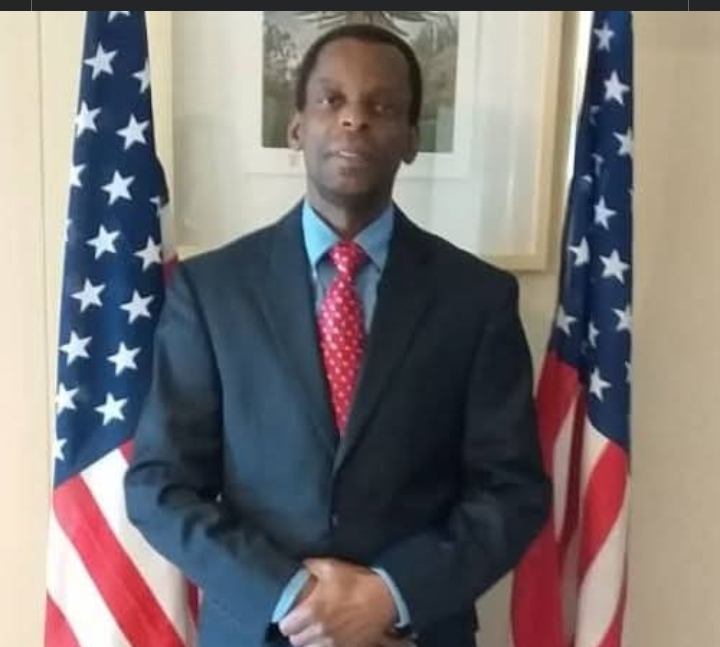
By Joseph Moyo
PRESIDENT HH DOESN’T GO ON LUXURY HOLIDAYS. ITS WORK AFTER WORK –
OPINION & ANALYSIS: PRESIDENT HiCHILEMS’s QUIET INFLUENCE ON THE CULTURE OF WORK
By Joseph Moyo, Livingstone , Zambia – Social worker
In my reflections on President Hakainde Hichilema (HH), I have come to appreciate that he has brought a new kind of influence to our country.
Since assuming office, he has demonstrated a lifestyle that differs starkly from his predecessors – a lifestyle that, without fanfare, is beginning to shape how many Zambians think about work, rest, and leadership.
To begin with, I cannot recall a time when President Hichilema has taken a holiday at a luxury resort or game lodge, as many former presidents have done. Instead of seeking out luxurious getaways, he retreats to his farm.
But this is not a retreat in the usual sense – it is more of a working pilgrimage. Time and again, we see him clad in gumboots, surrounded by his livestock, inspecting his crops, or tending to his dams. He chooses not to rest in opulence, but to toil in the soil.
This choice, though personal, is far from insignificant. It speaks volumes. It is leadership by example.
When I look back at Zambia’s past leaders, each has left behind a distinctive legacy – not just of policies, but of influence.
Dr Kenneth Kaunda, for example, was known for his discipline and his rejection of extravagance.
His iconic safari suit became a national symbol; ministers, civil servants, and directors of state enterprises all followed suit – quite literally.
He was a strict, principled man who instilled a spirit of service and a strong stance against corruption.
President Frederick Chiluba brought liberalisation and the free market, but he also brought a new look – from safari suits to Western suits.
Ministers followed his lead, reflecting a shift in economic philosophy and style. President Levy Mwanawasa was best remembered for his fight against corruption, a stance that won him respect far beyond our borders.
Then there was President Rupiah Banda, whose jovial nature and pride in local language were part of his charm.
Michael Sata, “King Cobra”, is remembered for his simplicity and directness.
He could stop his motorcade to interact with citizens, attend church without a heavy security presence, and had a deeply personal connection with ordinary people.
President Edgar Lungu, too, had his defining traits. On one hand, he oversaw significant infrastructure development.
On the other, his era was marked by the rise of *cadreism* – a worrying culture in which political cadres wielded unchecked influence.
That period saw a proliferation of social media images – young men flaunting stacks of cash, expensive alcohol, luxury cars, and business-class flights.
It created a carefree, party-after-party atmosphere that felt detached from the lives of ordinary citizens.
In contrast, President Hichilema has ushered in a different mood – one that feels grounded and purposeful.
He has not gone on foreign holidays. He does not disappear to plush lodges in Mfuwe or Chichele, as some of our past presidents did. Instead, whether it is Easter, Heroes Day, or any public holiday, he is at his farm – working.
And this has had a ripple effect.
Nowadays, I see teachers proudly posting photos of their maize fields or harvests. Ministers share images of their livestock.
Civil servants talk about what they have planted or reaped.
Even journalists at ZNBC – yes, journalists – are showing off their small farms and home gardens on social media.
Gone are the days of showing off wads of cash on mattresses.
Now, people are posting images of sweat and soil, of milk and maize – their honest work on the land.
There is a new kind of pride emerging: pride in hard work, in gumboots, in productivity, in farming.
And why? Because the president himself has made it cool.
He has shown that it is not just acceptable, but admirable, to walk in the mud, to sit atop a haystack, or to milk your cows. It is no longer something to be ashamed of – it is something to aspire to.
That is the cultural shift HH has sparked.
Two main themes emerge from this.
First, his refusal to take luxury holidays sends a message about priorities – that even rest can be productive, and that leadership does not need to be about indulgence.
It is “work after work,” not “party after party.”
Second, he is reclaiming pride in agriculture and land ownership.
He is telling Zambians, through action more than words, that there is dignity in working the land – that we must not look down on those who farm, but admire and emulate them.
And I say all this not as someone who has blindly praised the president.
Like many others, I have raised concerns and offered constructive criticism – not out of spite or disrespect, but from a sense of sacred duty as a citizen. We must hold our leaders accountable.
But that does not mean we cannot recognise the positive where it exists.
In President Hichilema, I see a leader who has not only stayed grounded – literally and figuratively – but who has influenced a quiet cultural renaissance.
He is turning farming into a source of national pride, and reshaping the idea of what it means to lead.
Sometimes, leadership is not about loud speeches or sweeping reforms.
Sometimes, it’s about the quiet strength of a man in gumboots, in the fields, under the sun – showing us all the value of honest work.
End