

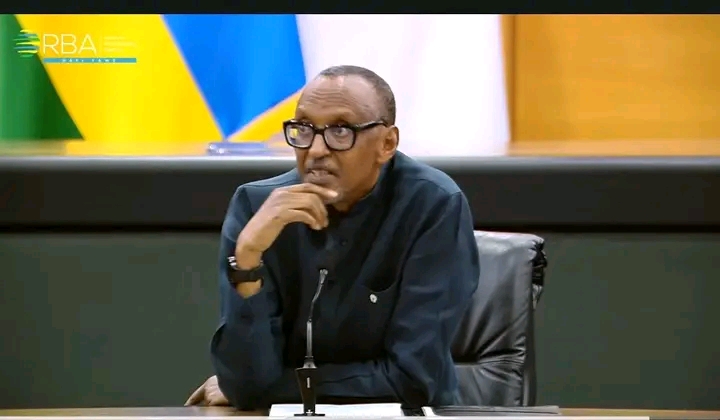
Rwanda’s Churches Under Pressure After Kagame’s 27 November 2025 Remarks
Rwanda’s regulation of churches has been a live political issue for years, framed by the government as a matter of public safety, accountability, and protection of citizens from fraud, and by critics as a potential constraint on religious freedom. The debate sharpened again on 27 November 2025, when Paul Kagame used a press conference in Kigali to deliver unusually blunt remarks about the role and conduct of many churches in Rwanda.
Paul Kagame argued that the rapid proliferation of churches has created space for exploitation, with some leaders presenting themselves as doing spiritual work while primarily seeking financial gain from followers. He questioned what tangible contribution churches make to core national and global challenges, such as jobs, wellbeing, and even war, and urged citizens to prioritise productive activity and economic self-reliance over what he portrayed as excessive time spent in places of worship. He also defended the continued closure of many churches, suggesting that reopening should not be automatic simply because a building meets minimum requirements.
Rwanda’s ruthless ruler further instructed that the remaining churches be closed and advised oppressed and enslaved Rwandans to pray in their homes or over the phone.
A church leader in Rwanda recently told me, “For many Rwandans, churches are not just places of worship. They are social safety nets, providers of community support, counselling, and informal welfare, especially where poverty and stress make people seek hope and solidarity.”
On the ground, reactions among church leaders and congregants have been mixed. Some Christian leaders have supported tighter enforcement as a way to deter abuse and protect vulnerable worshippers, while others argue implementation can be uneven and practically difficult, especially for smaller Pentecostal congregations, pushing worship into private homes or online and creating fear of penalties.
In mid-2024, Rwanda’s regulator, the Rwanda Governance Board (RGB), inspected large numbers of worship sites and closed over 7000 churches for non-compliance with regulations, including building standards, sanitation requirements, and concerns about exploitation. International Christian outlets reported that the crackdown resulted in closures ranging from about 7700 to nearly 10000 churches.
By: RPF Gakwerere, a military corporal for more than three decades