

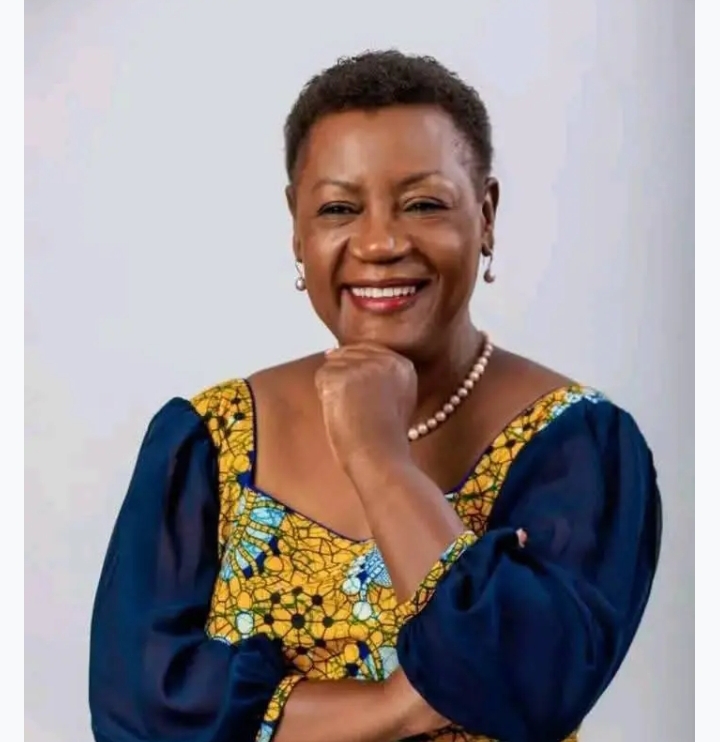
ZAMBIA AT A CROSSROAD
Chishala Kateka
Zambia, our beloved country, is at a crossroads once again. We have seen this play before: constitutional amendments slipped in after the Technical Committee’s report, seventy bills passed in rapid succession before Parliament dissolved, ministers echoing State House lines with the confidence of those who know the referee is already on their side. Judges appointed, law enforcement recruited, Electoral Commission seats filled with individuals linked to the ruling party, taken together, these developments create the perception of a carefully choreographed consolidation of power.
We are told this is reform. Reform that links proportional representation seats to the presidential vote share, ensuring that once the 50%+1 threshold is crossed, the ruling party automatically secures a parliamentary majority. This reform, however, turns the constitution into a ladder for incumbency, not a shield for citizens. Citizens are left wondering whether this is the vision UPND carried into office.
And now, for the first time, the ruling party canvasses openly for the public to “pick suitable candidates,” as in Munali and other constituencies. To many observers, this appears less like broadening democracy and more like a narrowing of choice. Loss is unthinkable for them, not because of new ideas, but because accountability would be unavoidable.
Visit any ministry today and you will see the banners, huge, gaudy, self-congratulatory, proclaiming what each minister has presided over for five uninterrupted years. Governance reduced to billboards, incumbency paraded as achievement. It is spectacle, not substance.
But here is the truth: Zambia has faced this crossroads before. Those who refused one-party participatory democracy, who stood up for pluralism, who insisted that the ballot must matter , they are now older. Their courage carved the path to multiparty democracy. And now the baton must pass to younger Zambians, who continue to be excluded from the future of the country they will inherit.
Supporters too must reflect. The very issues once criticised under PF – executive arrogance, legislative bulldozing, institutional capture, now appear tolerated under UPND, dressed up as reform. If it was wrong then, it is wrong now. Loyalty to party over country risks losing both.
This is the moment for citizens to stand up, not for party, not for ethnicity, not for favours from the political elite, but for Zambia itself. For democracy dies not only when constitutions are amended, but when citizens lose faith that their choices matter.
So let us remember: Zambia belongs to its people, not to any president, not to any party. If we stand up, we can reclaim our institutions, our democracy, our future. If we do not, we risk sliding into a politics where elections are rituals, outcomes are foregone, and accountability is a forgotten dream.
The fight is not between UPND and its ideas. The fight is between UPND and the very possibility of an alternative. And that is why we must rise, young and old, urban and rural, across tribe and region, to put Zambia first.
Because in the end, the question is not whether any leader seeks more power. The question is whether Zambians will allow democracy to be narrowed into the preserve of one party.
Stand up, Zambia. The time is now.
16 May 2026
When you are not gaining any advantages, Zambia finds itself at a crossroads. Once you begin to indulge, you become silent; we are aware of your tendencies.
Madame do you want the government to stop working just because the Parliament is nearing dissolution? Passing of seventy bills within a short time just shows you that UPND government is a very busy and serious government.
If the law allows the president to sign the bills into law even after 100 days, I would advise to the president not to sign any bill until after elections.. Let the status quo continue until then